Capitol Notes Week Two:
The "Enduring Idaho" Plan & Budget Realities
|
On Monday Governor Brad Little kicked off the 2026 Legislative Session with his State of the State address, unveiling his "Enduring Idaho" budget recommendation. The Governor’s headline message is his budget proposal keeps schools “whole or “flat” despite projected revenue shortfalls. In this newsletter we’ll dig into the details of what a flat budget actually means for school districts and charters.
Call to Action: While this has been an unusually slow start to the session, it’s never too early to engage. Contact your local legislators to share your district or charter's specific needs. Find your representatives and senators here.
|
Legislative Updates: Committee Shake Ups
|
The first week of the session brought significant leadership changes that will impact education policy and funding. To check out the new committee make ups here.
House Education Committee
-
New Chair: Rep. Dale Hawkins (R-Fernwood). Following Rep. Douglas Pickett's election to leadership, Rep. Hawkins moves from Vice Chair to Chair. While he does not have professional experience in education, he shared in committee this week that he has grandchildren currently in the public school system.
-
Vice Chair: Rep. Clay Handy (R-Burley) is a veteran of local government (City Council and County Commission). He also raised six children in the Burley school district and has historically supported local control in education issues. He has previously served on JFAC.
-
New Member: Rep. Michael Leman Veile (R-Soda Springs) brings direct experience as a former School Board Trustee for the Soda Springs Joint School District and a past board member of Idaho Business for Education.
-
Returning Member (served in 2023-24): Rep. Soñia Galaviz (D-Boise) is an active public school teacher at Whittier Elementary with nearly two decades of education experience, and a Doctorate of Education in Curriculum and Instruction.
-
New Member: Rep. Clint Hostetler (R-Twin Falls) comes from the Twin Falls area and reported he has experience in both public and private education, where his legislative platform on education has focused heavily on school choice and parental rights.
JFAC Leadership Change:
Rep. Josh Tanner (R-Eagle) has been appointed Co-Chair of the Joint Finance-Appropriations Committee (JFAC), replacing Rep. Wendy Horman. With JFAC facing a $555 million gap for next year, Rep. Tanner’s leadership will be pivotal in determining how the "Enduring Idaho" budget is implemented. In addition, Rep. Chris Bruce (R-Kuna) and Rep. Kyle Harris (R-Lewiston) have joined the Joint Finance and Appropriations Committee.
|
Governor’s FY27 Recommendation: "Tightening Our Belts"
The Governor’s FY27 budget proposal is a sharp pivot from the surplus-driven investments of recent years. It is a "maintenance" budget designed to keep K-12 funding flat by utilizing reserve funds rather than general funds to meet obligations.
The Reality Behind the "Flat" Budget "Keeping the budget whole" involves targeted reductions and a pause on new investments:
-
Zero Cost of Living Adjustment: There is no recommended base salary increase (CEC) for staff. Eligible staff will still receive statutory Career Ladder steps, but there is no boost to the base and the minimum salaries from FY26 are expected to be the same.
-
Virtual Education Cuts: The budget proposes significant funding reductions for virtual and online learning programs.
-
Health Insurance: Funding is now split into two calculations: a 14% increase for districts on the state plan and an 11% increase for those on non-state plans.
Key Term: Support Unit Reductions You will hear this term frequently. A "Support Unit" is the currency of Idaho school funding—roughly equal to the cost of operating one classroom.
Key Context: The PESF Shift The Governor proposes drawing from the Public Education Stabilization Fund (PESF) to balance the budget.
-
Why this matters: PESF is typically a "rainy day" fund designed to backfill budgets if tax revenue dips mid-year. Using it proactively to pay for planned expenses is a departure from standard policy. It treats one-time savings as recurring revenue, potentially depleting the safety net if the economy slows down later in the year.
Special Education Update Superintendent Critchfield’s initial $50M request for special education overhauls was withdrawn due to the deficit. It has been replaced by a smaller $6M "bridge" proposal ($5M for high-needs students, $1M for regional support).
|
Resource for Board Members
|
Talking Points: Explaining District Fund Balances
Recent media coverage regarding school district "savings accounts" (fund balances) may prompt questions from your constituents. Here are fact-based talking points to help you explain why your district may maintain a healthy reserve.
-
Stability, Not Hoarding: While total dollar amounts have risen, the percentage of the budget saved (approx. 22.9% statewide) has remained flat. Districts are merely keeping pace with inflation.
-
Industry Standards: The Government Finance Officers Association (GFOA) recommends a minimum unrestricted fund balance of two months of operating expenses (approx. 16.7%). Idaho’s average is a prudent buffer slightly above this required minimum.
-
The "One Boiler" Reality: Especially for rural districts, a single catastrophic event—like a failed boiler or emergency roof repair—can cost 5-10% of the annual budget. Reserves are an insurance policy against bankruptcy.
-
Cash Flow & Payroll: Schools pay bills monthly but receive tax revenue in chunks (usually Jan/July). Reserves are essential to meet payroll in "dry" months like October and November without taking out interest-bearing loans—meaning your tax dollars would go toward paying bank interest rather than directly into the classroom.
Clarifying the "5% Cap": State law caps a specific Contingency Fund at 5%, but this is separate from the general operating reserve. A general fund balance above 5% is not only legal, it is necessary for the reasons listed above.
|
Capitol Notes Video Update
|
As bills get published this year, we will share information about them weekly through our Capitol Notes Legislative Newsletter and the ISBA Bill Tracker. You can also click here to visit our Advocacy webpage, where you can find old Capitol Notes, the online bill tracker, advocacy documents, and more.
|
ISBA's 2026 Legislative Platform
|
Are you interested in seeing the progress of ISBA's legislative resolutions since 2018?
Click here to learn which resolutions have become law; which resolutions are still in progress; and which resolutions have stalled.
|
Registration is now open for ISBA’s 2026 Day on the Hill event - February 16-17, 2026. This event provides an opportunity for attendees to meet with their state legislators to discuss legislative issues impacting public education. It also provides attendees time with colleagues from around the State to visit, share information, and network.
|
Do not wait to register! Hotel block registration ends this Monday, January 19th.
|
ISBA is excited to launch our new Legislative Representatives (Leg Rep) Program to help school boards stay informed and engaged during the session. Each district or charter board can designate a board member to serve as their Leg Rep, who will act as their board’s point person for legislative updates, resources, and advocacy opportunities from ISBA.
|
Leg Reps will meet virtually twice a month during the legislative session and then monthly afterward. Boards are encouraged to select their Leg Rep as an action item at their January 2026 meeting. The first official Leg Rep meeting called "The Bench" will be held on January 29 at 12:30 p.m. MT/11 a.m. PT.
Learn more about the program and how to get started at https://www.idsba.org/isba-leg-rep-program/.
Once selected, be sure to have your Leg Rep fill out the form found here, to let us know they are participating.
|
Who is representing ISBA at the Capitol?
|
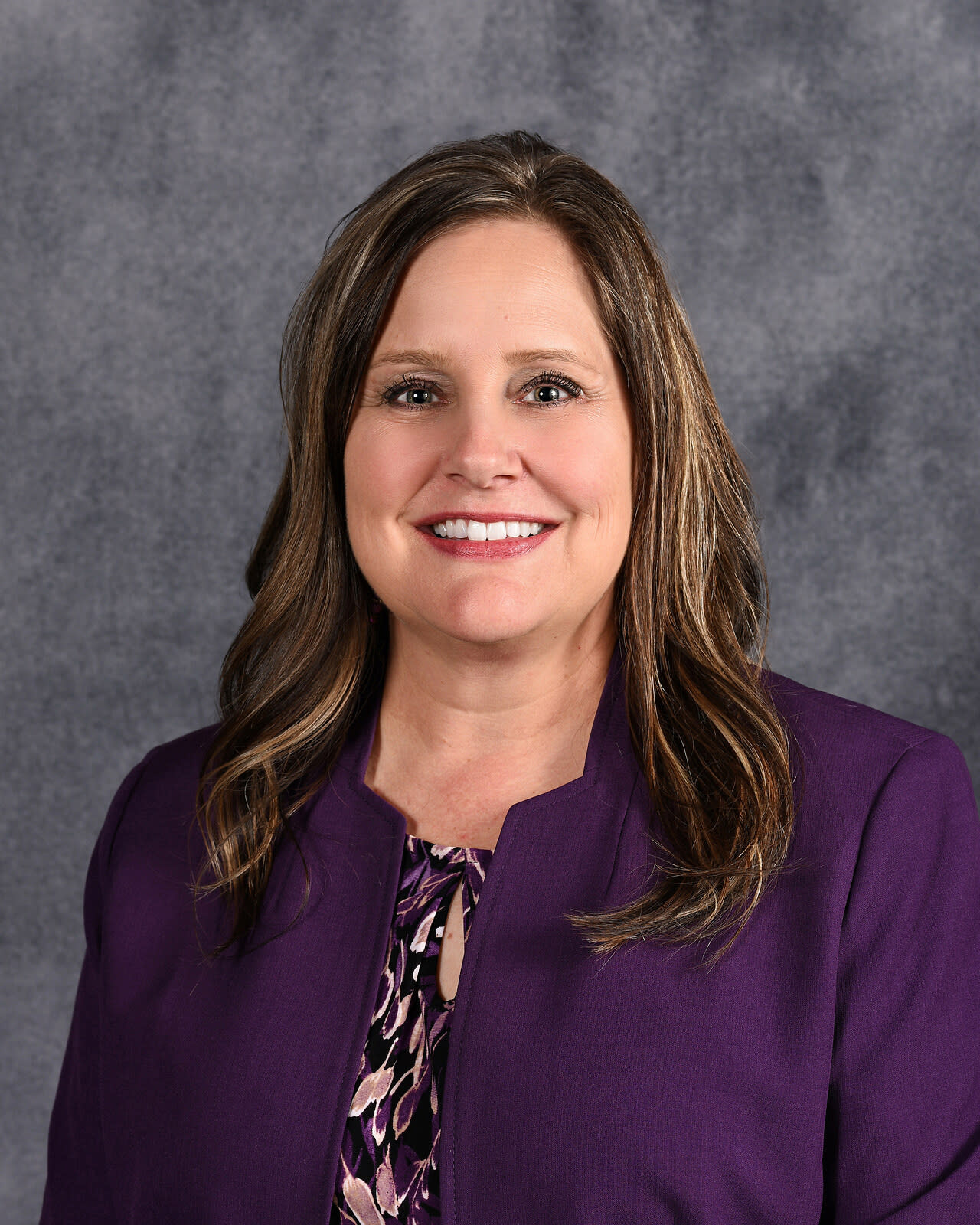
Misty Swanson
Executive Director
|
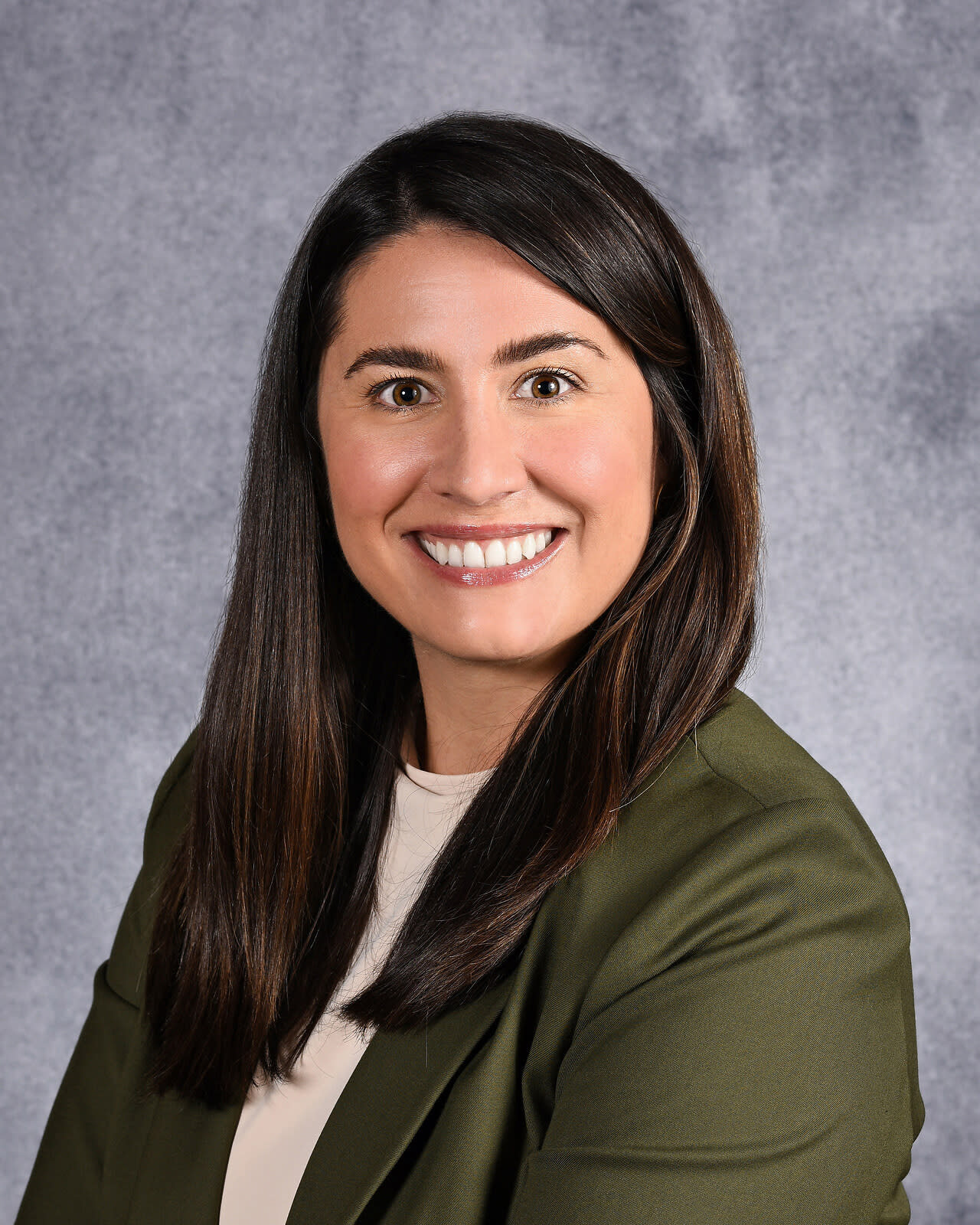
Quinn Perry
Deputy Director &
Government Affairs
|
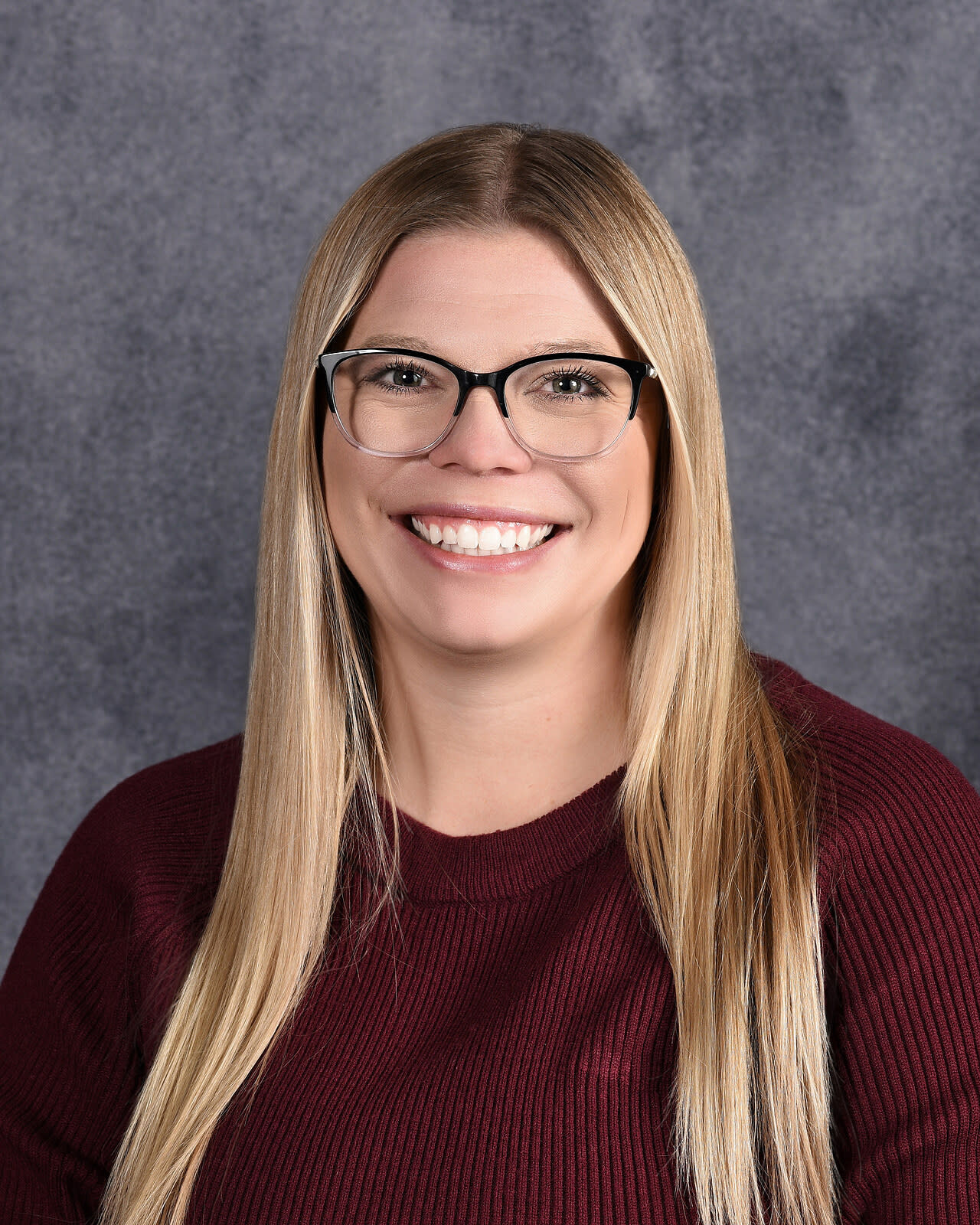
Katie Reynolds
Communications & Program Associate
|
Katie McInally
Legislative & Communications Intern
|
199 N. Capitol Blvd.
Suite 503
Boise, ID 83702
(208) 854-1476
|
Visit us on Social Media!
|
|